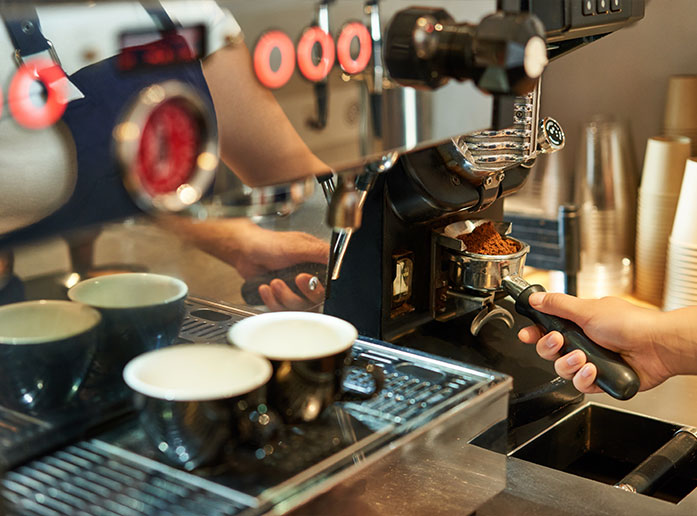
Italian coffee machines are renowned worldwide for their performance, craftsmanship and ability to produce rich, consistent espresso-based drinks. For many businesses — from cafés and offices to hotels and restaurants — an Italian coffee machine isn’t just equipment; it’s a statement of quality.
However, selecting the right machine involves more than simply picking a popular brand. The ideal Italian coffee machine should match your business’s daily demand, operational needs and long-term goals.
Koffeeone’s excellent guide explains how to make that choice confidently and efficiently.
Understand Your Business’s Coffee Needs
Daily consumption and peak usage
The first step in choosing an Italian coffee machine is assessing how much coffee your business needs each day. A small office with occasional use will need a different machine than a busy café serving back-to-back orders during peak hours.
Estimate your average daily cups and consider peak times. This helps narrow down machines with the right capacity and number of group heads to keep service smooth.
Types of drinks you’ll serve
Italian machines excel at espresso and milk-based beverages like cappuccinos and lattes, but not all models handle them equally. If your customers or staff prefer a wide variety of drinks, select a machine with flexible brewing and steam options to meet those expectations.
Choose The Right Machine Type
Semi-Automatic Machines
Semi-automatic Italian machines are common in traditional cafés and businesses where barista control is valued. These machines balance automation with manual input, allowing skilled operators to fine-tune extraction for quality and consistency.
They are ideal when flavour precision is a priority.
Super-Automatic Machines
Super-automatic Italian machines are designed for ease of use and speed. They grind, tamp, brew and often froth milk automatically at the touch of a button. For offices or busy environments where barista training isn’t practical, these machines deliver consistent results with minimal intervention.
Traditional Lever Machines
Lever-operated Italian machines appeal to settings that value craftsmanship and manual brewing control. They require trained users but can deliver highly customised espresso shots. This type suits specialty coffee settings where expert control is desired.
Evaluate Key Features and Specifications
Group Heads and Boiler Systems
Group heads determine how many drinks can be produced simultaneously. Machines with multiple group heads work best for high-volume environments. Boiler type — single, double or heat-exchange — affects temperature stability and efficiency. Italian machines with quality boilers deliver stable extraction and better consistency.
Built-In Grinder vs. Separate Grinder
A built-in grinder simplifies workflow and ensures fresh grounds for every cup, ideal when speed and convenience matter. A separate high-quality grinder provides more control and precision, which benefits specialty coffee setups.
Steam Wand and Milk Systems
Italian coffee culture often includes milk-based drinks. Look for machines with powerful steam wands or automatic milk systems if cappuccinos, mochaccinos, lattes and flat whites are part of your regular menu. A reliable milk system improves texturing and consistency.
Consider Maintenance and Service Needs
Ease of day-to-day cleaning
Italian commercial coffee machines require regular cleaning to avoid build-up that impacts flavour and performance. Machines with accessible components, removable parts and automated cleaning alerts reduce daily maintenance effort.
Professional servicing options
Italian machines are precision equipment. High-quality service support, including routine maintenance and quick repairs, keeps downtime to a minimum. Before choosing a supplier, confirm local service availability and technician expertise.
Think About Long-Term Value and Reliability
Durability and build quality
Italian machines are known for robust construction, but not all models are created equal. Investing in a well-built machine can extend service life and reduce long-term costs compared to cheaper alternatives that wear out faster.
Parts availability
Ensure that spare parts and consumables are easy to source locally. Machines with readily available parts and service networks minimise disruption when maintenance is needed.
Match Budget With Business Goals
Upfront cost vs total cost of ownership
While Italian machines can be more expensive upfront, their long-term value often outweighs initial costs due to durability and performance. Consider ongoing maintenance, servicing and energy use when evaluating the total cost of ownership.
Prioritising features within budget
Decide which features are non-negotiable (e.g., multiple group heads or automatic milk frother) and which are nice-to-have.This helps refine options and avoid paying for unnecessary functions.
Trial And Evaluate Before Final Decision
Request demonstrations
Whenever possible, see machines in action. A live demo helps evaluate speed, ease of use and drink quality, all crucial factors that photos and specs can’t fully convey.
Collect staff or barista feedback
Input from people who will use the machine regularly ensures you select equipment that fits daily operations and user preferences.
In Conclusion
Choosing the right
Italian coffee machine for your business is a decision that influences coffee quality, workflow efficiency and customer satisfaction. By understanding usage demands, evaluating machine types and features and planning for maintenance and long-term value, businesses can make informed decisions that support operations for years to come.
A well-selected Italian coffee machine delivers consistency, reliability and flavour, helping your business stand out in a competitive coffee culture.