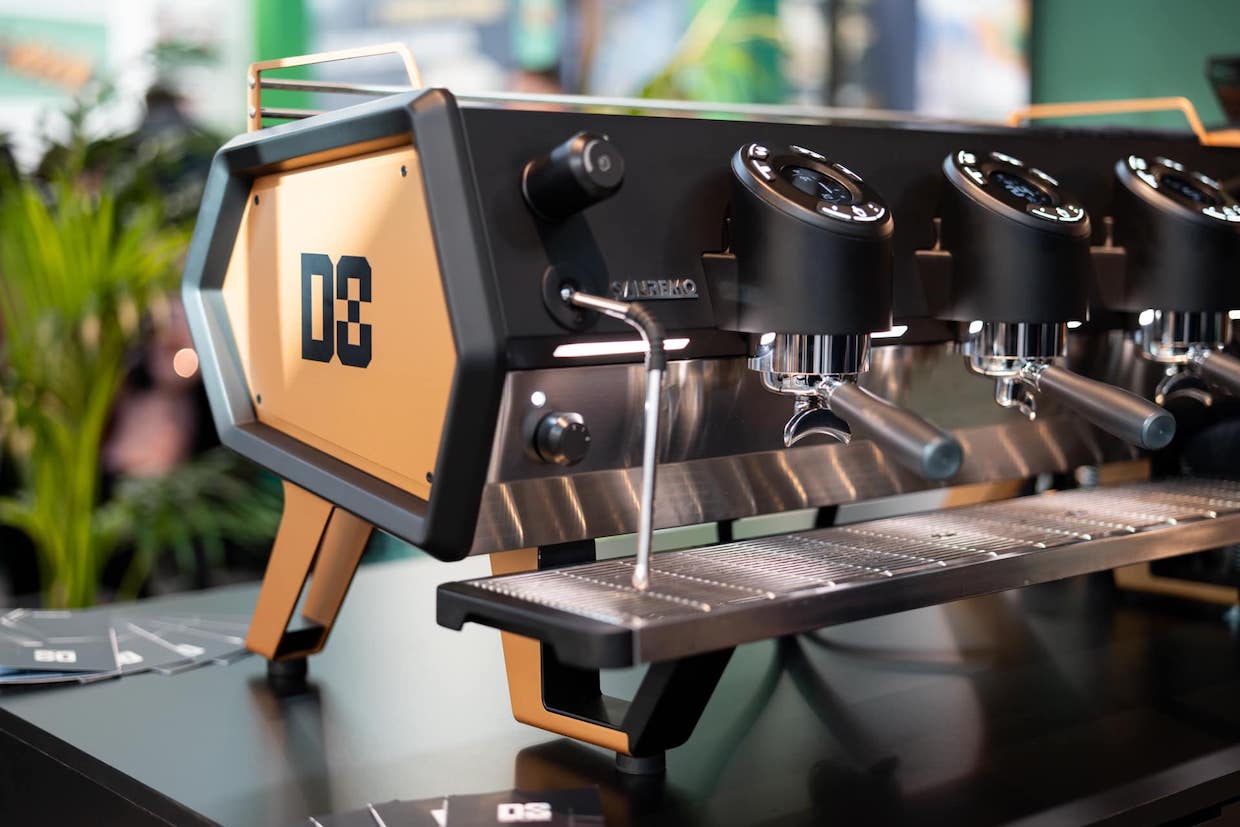
Coffee is more than just a drink; it’s the heart of customer experience in cafés and a key employee perk in workplaces. Choosing the right commercial coffee machine is thus a strategic decision that affects beverage quality, operational efficiency and profitability. The right machine helps deliver consistent coffee, reduces downtime, simplifies training and enhances customer satisfaction.
But with so many models and features available, how do you pick the ideal one for your setup? At
Koffeeone, we like to make coffee a thoroughly enjoyable brew with the least hassle. Our expert guide walks you through the important factors to help you make the right choice.
Understand Your Coffee Demand and Workflow
Estimate Daily Coffee Volume
The first step in choosing a commercial coffee machine is understanding how much coffee you need to serve each day. A busy café serving dozens of cups per hour needs a machine with higher capacity than a small office offering coffee to employees only a few times daily. Estimate peak usage to determine capacity, group heads and recovery speed requirements.
Analyse Workflow Patterns
Workflow matters. If your café has peak periods — morning rush, lunch break or afternoon — you need a machine that handles back‑to‑back brewing without overheating or slowing down. A machine that stalls during busy hours impacts service speed and customer satisfaction.
Machine Types: Match Your Needs to the Right Technology
Fully Automatic Machines
Fully automatic machines do everything from grinding to brewing with minimal input. These are ideal for environments where speed, reliability and consistency matter most. If your staff don’t have barista training, automatic machines ensure quality results without manual expertise.
Semi‑Automatic Machines
Semi‑automatic coffee machines provide more control over extraction and shot quality. They require barista involvement and skill, making them perfect for specialty cafés that emphasise craft coffee and customised drinks.
Super‑Automatic Machines
Super‑automatics are a hybrid designed for ease of use, offering automated grinding, tamping, brewing and milk texturing. For busy offices or self‑service cafés, these machines deliver café‑style drinks quickly and consistently.
Lever and Manual Machines
Lever or manual machines provide hands‑on control and appeal to specialty cafés focused on artisanal brewing. They demand skill, which is perfect for trained baristas but may slow service in high‑volume environments.
Evaluate Key Features and Functionalities
Group Heads and Boiler Configuration
The number of group heads determines how many drinks can be brewed at once. Multiple group heads are essential for high‑traffic cafés. Boiler configuration — single, double or heat‑exchange — affects temperature stability and consistency. Commercial settings benefit from machines with stable temperature control for more predictable results.
Built‑In Grinder vs External Grinder
Consistent coffee quality starts with grinding. Machines with built‑in high‑quality grinders save space and streamline workflow, but external grinders provide precision and customisation for specialty espresso.
Milk Systems and Frothing Capabilities
Milk‑based drinks like lattes and cappuccinos are café staples. Machines with powerful steam wands or automatic milk frothers help maintain texture and consistency. Consider your menu: high milk‑drink demand calls for reliable milk systems.
Programmable Options
Programmable shot volumes, temperature presets and drink profiles reduce variability and simplify operations, especially during peak hours.
Maintenance and Ease of Cleaning
Daily Cleaning Requirements
Commercial machines need daily attention to remove coffee residue and milk buildup. Choose machines with easy‑to‑remove parts and automated cleaning cycles to save time.
Access to Technical Support
Maintenance doesn’t stop with daily cleaning. Professional servicing and access to support technicians help avoid extended downtime and costly repairs. Check the availability of local service teams and response times.
Durability of Components
Commercial machines are used intensely. Durable parts, robust internals and high‑quality build materials ensure longevity even under heavy workloads.
Consider Your Budget Carefully
Upfront Investment vs Total Cost of Ownership
Consider energy usage, servicing costs, parts replacement and operational efficiency when evaluating long‑term value along with the initial purchase cost. A lower‑cost machine may seem attractive, but higher reliability and fewer maintenance issues often save money over time.
Scalability and Future Needs
Your business may grow. Investing in a machine with scalable capacity or upgrade options prevents the need for early replacement as demand increases.
Payment Options: Purchase, Lease or Rent
Different payment models suit different business strategies. Buying outright builds asset value but requires significant capital. Leasing or renting spreads cost and often includes maintenance, which eases cash flow while ensuring professional servicing.
Test and Trial Before Final Decision
Experience the Machine in Action
If possible, arrange demos or trial runs. Seeing how the machine performs under real‑world conditions — with actual beans and workflow — helps confirm usability, speed and output quality.
Gather Staff Input
Your baristas or staff will interact with the machine daily. Their preferences and ease of use insights matter. Involving them in the selection process improves adoption and operational comfort.
In Conclusion
Choosing the right and
best commercial coffee machine in Australia isn’t simply about picking the most expensive model. It’s all about understanding your business needs, workflow, drink menu and long‑term goals. By considering daily coffee demand, machine type, key features, maintenance requirements and total cost of ownership, you can select a machine that supports quality, efficiency and customer satisfaction.
A well‑chosen commercial coffee machine promises consistent performance, reliable service and better coffee, elevating both your business reputation and the daily experience of staff and customers alike.