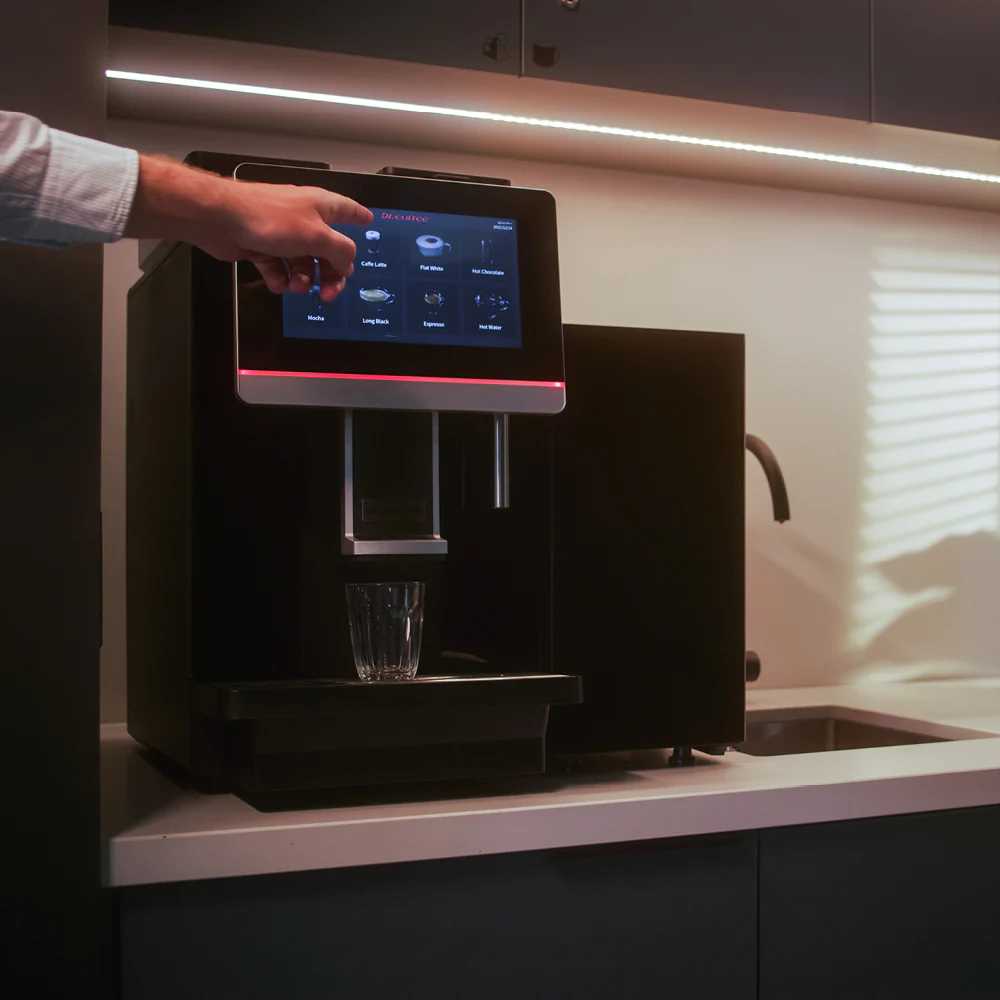
Automatic coffee machines play a critical role in many commercial environments, from offices and hospitality venues to shared workspaces and customer-facing businesses. Their ability to deliver consistent coffee with minimal user effort makes them a practical choice. But that convenience often leads to one common mistake: underestimating the importance of maintenance.
In commercial use, coffee machines are subjected to continuous operation, multiple users and high demand. Without proper care, performance declines quietly before problems become obvious.
At
Koffeeone, we take extra care when it comes to maintenance for commercial automatic coffee. Understanding how maintenance supports reliability, flavour consistency and long-term value is essential for any business relying on automatic coffee machines.
Why Maintenance Matters In Commercial Settings
In high-use environments, even small performance issues can quickly become disruptive. A machine that brews slowly, produces inconsistent coffee or develops milk system problems affects workflow and user satisfaction almost immediately.
Regular maintenance helps preserve internal components, prevents unexpected breakdowns and ensures the machine performs as intended throughout the day. More importantly, it protects the investment by extending the machine’s operational lifespan and reducing repair costs over time.
Maintenance also plays a key role in hygiene. Automatic machines process milk, water and coffee oils constantly, all of which can become hygiene risks if not managed correctly.
Daily Care That Keeps Machines Running Smoothly
Daily care forms the foundation of reliable performance. Simple routines performed consistently prevent the buildup that leads to mechanical strain and flavour issues.
At the end of each day, brewing units should be rinsed or cleaned according to the manufacturer’s guidance. This removes coffee residue that hardens overnight and interferes with extraction.
Milk systems require special attention. Even short delays in cleaning can cause residue buildup inside milk lines, leading to blockages or unpleasant odours. Running the machine’s milk cleaning cycle daily is essential for hygiene and performance.
Drip trays, waste containers and external surfaces should also be cleaned regularly. These tasks may seem minor, but they help prevent sensor errors and keep the machine operating smoothly in shared environments.
Weekly Cleaning And Internal Maintenance
While daily cleaning handles surface-level residue, weekly routines address deeper internal buildup. Over time, coffee oils accumulate inside brewing pathways and grinders, affecting flavour and consistency.
Running built-in cleaning programs with approved cleaning tablets helps dissolve oils and maintain internal cleanliness. These programs are designed to reach areas manual cleaning cannot.
Grinders integrated into automatic machines also benefit from weekly attention. Residue inside burrs can change grind consistency, leading to under- or over-extracted coffee. Light grinder cleaning helps preserve grind accuracy and flavour balance.
This level of care ensures machines remain stable and predictable during busy periods.
Managing Water Quality And Scale Buildup
Water quality is one of the most overlooked factors in coffee machine maintenance, yet it has a major impact on performance and longevity.
In many parts of Australia, water contains minerals that cause scale buildup inside boilers and pipes. Over time, scale restricts water flow, reduces heating efficiency and places strain on internal components.
Using filtered water significantly reduces scale formation and improves coffee taste. Filters should be replaced according to usage levels to remain effective.
Descaling should be carried out as recommended by the manufacturer or prompted by the machine. Ignoring descaling alerts may not cause immediate failure, but it accelerates internal wear and increases the risk of costly repairs.
Professional Servicing And Preventative Care
Even with strong daily and weekly routines, professional servicing remains essential in commercial environments. Automatic coffee machines rely on calibrated software, pressure systems and precise dosing mechanisms that require expert attention.
Scheduled servicing allows technicians to inspect internal components, replace worn parts and recalibrate brewing parameters. This keeps machines operating efficiently and prevents minor issues from becoming major faults.
Preventative servicing is particularly valuable for businesses that rely heavily on coffee availability. Addressing potential issues early avoids unexpected downtime and ensures consistent performance.
Common Mistakes Businesses Make With Maintenance
One of the most common mistakes is treating maintenance alerts as optional. Machines may continue operating despite warnings, but performance often degrades quietly.
Another issue is inconsistent responsibility. In shared environments, maintenance tasks are sometimes overlooked because no one is clearly accountable. Assigning responsibility, even on a rotating basis, helps ensure routines are followed.
Using incorrect cleaning products is another risk. Non-approved chemicals can damage internal components or void warranties. Always use cleaning solutions designed for automatic coffee machines.
Long-Term Benefits Of Proper Maintenance
Consistent maintenance delivers benefits far beyond cleanliness. Machines perform more reliably, coffee quality remains stable and user satisfaction improves.
Well-maintained machines also reduce total cost of ownership by extending lifespan and minimising emergency repairs. Over time, businesses experience fewer disruptions and greater return on their initial investment.
Most importantly, proper care ensures coffee remains a seamless part of daily operations rather than a recurring problem to manage.
Final Thoughts
Maintaining
automatic coffee machines for commercial use requires more than occasional cleaning; it demands consistency, awareness and preventative care. When daily routines, water management and professional servicing work together, machines deliver dependable performance and quality coffee day after day. For businesses that rely on coffee to support productivity, hospitality and workplace culture, proper maintenance isn’t just good practice; it’s essential.