
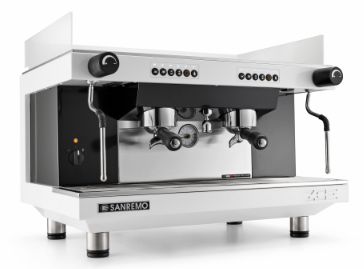
Cost Vs. Benefit: Is A Commercial Automatic Coffee Machine Worth The Investment?
Choosing the right equipment for your business can be challenging, especially when it involves a significant investment like a commercial automatic coffee machine. Many businesses ask themselves if such a machine is worth it, especially when budgets are tight or operations are lean.
To answer that question properly, it’s important to look beyond the sticker price. A commercial automatic coffee machine affects various aspects of daily operations, from employee productivity to customer experience and ongoing costs.
Koffeeone breaks down the cost vs. benefit equation so you can decide with confidence whether a commercial automatic coffee machine is a smart business investment or not.
Understanding The Initial Costs
Upfront Purchase Price
The first and most obvious cost is the initial cost. Commercial automatic coffee machines vary widely in price, depending on brand, capacity, functionality and features. Higher-end models with advanced drink presets, built-in grinders, automatic milk systems and durable components cost more than basic models. While the price tag may seem significant, it’s only one piece of the financial picture.Installation And Setup
Commercial machines sometimes require professional installation, including plumbing, electrical configuration and calibration. These costs are often overlooked in initial budgeting but are important to consider.Training And Onboarding
Although automatic coffee machines are designed to be user-friendly, basic training for staff ensures consistent operation and reduces mistakes that can affect coffee quality or machine longevity.Ongoing Operational Costs
Beans, Milk and Consumables
Running costs include coffee beans, milk, cups, filters, cleaning solutions and descaling products. These costs scale with usage and choice of ingredients. Premium beans naturally will cost more per cup than standard blends. Planning for predictable operational expenses helps avoid surprises later.Energy Consumption
Commercial coffee machines require constant power to maintain temperature and heating readiness. Energy use should be considered when evaluating long-term costs.Maintenance And Servicing
Commercial machines are durable, but servicing is essential. Periodic inspections, cleaning, parts replacement and professional servicing reduce breakdowns and prolong lifespan, but they also add to operational costs.Benefits That Offset The Costs
Time Savings And Improved Productivity
Time is money and this is one of the biggest returns on investment that businesses often overlook. When staff or customers leave the premises to buy coffee elsewhere — even for short breaks — productivity drops. A commercial automatic coffee machine eliminates those trips, keeping employees closer to their workspace and focused on their tasks. For busy workflows, this time saving adds up quickly.Consistency In Quality
Consistency matters, especially in customer-facing environments or workplaces with coffee preferences. Manual machines are only as good as the operator and variances in grind, tamping or extraction can affect taste. Automatic machines standardise these variables, producing consistent coffee every time with programmed settings. Consistency improves satisfaction, whether it’s staff grabbing a morning espresso or clients enjoying a coffee during a meeting.Enhanced Workplace Culture And Morale
Coffee plays a surprisingly big role in workplace culture. A quality coffee experience boosts morale, supports team interaction and contributes to a positive work environment. Employees who enjoy coffee onsite often feel valued and appreciated, which strengthens engagement and loyalty. This side benefit of employee satisfaction can indirectly improve retention and reduce recruitment pressure, a long-term operational advantage.Cost Efficiency Compared To Daily Café Purchases
Buying coffee from external cafés becomes expensive over time. A business with even a moderate daily coffee habit will find that supplying coffee in-house leads to significant savings. When comparing per-cup cost from an automatic machine versus daily takeaway purchases, in-house coffee quickly becomes more cost-efficient.Professional Impression And Client Experience
In business environments where clients or partners visit — such as corporate offices, studios or hospitality venues — providing quality coffee sends subtle but powerful signals: professionalism, attention to detail and hospitality. Impressions matter and a consistent coffee experience adds to overall brand perception.Evaluating ROI (Return On Investment)
Calculating Break-Even Point
To evaluate ROI, businesses often calculate the break-even point, when the coffee machine investment pays for itself through direct and indirect benefits. Consider:- Initial machine cost
- Installation and setup
- Operational costs (beans, milk, energy, servicing)
- Savings from reduced café purchases
- Time savings and productivity gains